Water Damage Restoration Pico Rivera, CA
24/7 water damage restoration in Pico Rivera, California. The restoration team extracts standing water, dries slab floors, walls and cabinets to the IICRC S500 standard and documents every step for your insurance claim.
(888) 563-9619Call to get the water off the slab- 24/7 dispatch
- IICRC S500 drying goal
- Truck-mounted extraction
- Daily moisture logs
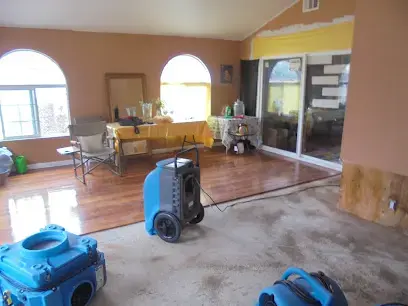
Water Damage Restoration Services in Pico Rivera, CA
Pico Rivera homes sit on concrete slabs with no basement, so most water comes from the plumbing inside and under the house, and the rest arrives with winter storms. Each service below covers one kind of loss.
 Water Extraction & RemovalTruck-mounted extraction pulls standing water off slab floors, carpet and pad before it wicks into drywall and baseboards.View the service
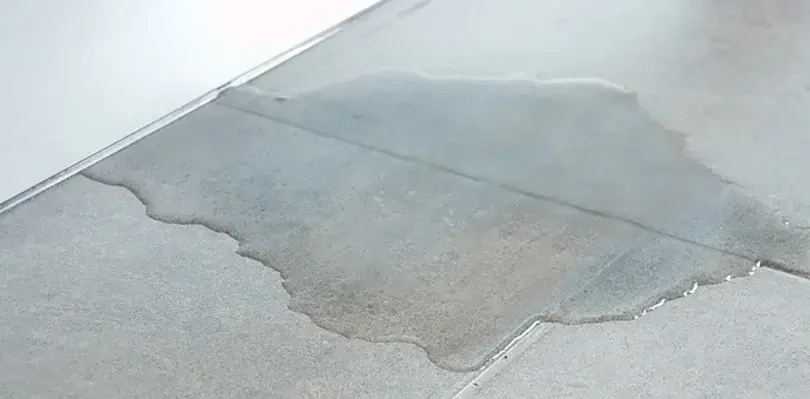
 Slab Leak Water DamageA pressurized pipe leaking under the concrete, found by the warm spot or the wet floor, then opened and dried from the slab up.View the service
 Burst Pipe CleanupA supply pipe, angle stop or fitting that lets go all at once, with water running across floors until the valve is shut.View the service
 Galvanized Pipe Leak DamageOriginal 1950s galvanized supply pipe rusting through at the threads, leaking slowly inside walls until the drywall shows it.View the service
 Appliance & Supply Hose LeaksWasher hoses, dishwasher feeds, ice maker tubing and toilet supplies that soak cabinets and the floor around them.View the service
 Water Heater Leak CleanupA garage or closet tank that leaks at the base or ruptures, with water spreading under walls into the next room.View the service
 AC Condensate & Attic Unit LeaksAn attic air handler whose drain pan overflows in summer and stains the ceiling below, often for weeks before anyone sees it.View the service
 Ceiling Leak Water DamageWater from a bathroom, a unit upstairs or an attic pipe coming through drywall and light fixtures.View the service
 Roof Leak Water DamageWinter storm water through flat and low-slope roofs, flashing and vents into attic insulation and ceilings.View the service
 Winter Storm & Street FloodingStreet water pushing in at thresholds and garage doors during heavy winter rain, treated as Category 3 from the start.View the service
 Structural Drying & DehumidificationAir movers, LGR dehumidifiers and drying mats run to daily readings until slab, framing and cabinets read dry.View the service
 Sewage Backup CleanupSewer backups from cracked or root-filled laterals, handled as Category 3 with containment and protective gear.View the service
 Commercial Water DamageWarehouses, shops and offices along Washington Boulevard, Slauson Avenue and Rosemead Boulevard dried around the work schedule.View the service
Not sure which service fits?
Describe what you see. The tech who does the walkthrough works out the water category, the class and the source, then sets the plan.
Talk the water damage through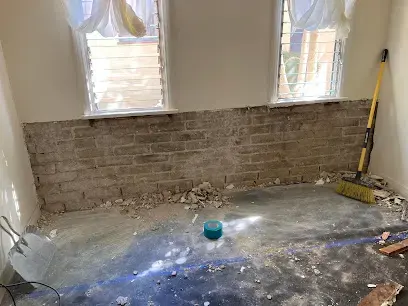
How a Pico Rivera water loss is handled
A real dry-out and a quick cosmetic job look the same on the first day. The difference shows up a month later, behind the baseboards and under the flooring.
Rapid local response
The response team dispatches 24/7 and treats any active leak as urgent, because water on a slab spreads under walls and cabinets in hours.
IICRC S500 drying standard
The drying team follows the industry drying standard: moisture mapping first, equipment sized to the room, readings until materials hit the dry goal.
Claim-ready documentation
The crew builds the claim file as the work happens: moisture map, daily drying logs and timestamped photos before anything comes out.
Local water know-how
Local restoration pros know the housing stock here: slab foundations, original galvanized pipe, garage water heaters and attic air handlers.
What to do while the water is still moving
These five steps limit the damage before the extraction crew arrives.
- 1
Shut off the water at the main valve. In most Pico Rivera homes it sits near the front of the house where the supply pipe comes in, or beside the meter box at the curb.
- 2
Turn off the breakers for wet rooms if the electrical panel is on a dry wall, and stay out of water near outlets or cords.
- 3
Lift rugs, electronics and furniture legs off the wet floor, and move photos and papers to a dry room.
- 4
Take photos and short videos of the water, the source and the damaged items before anything gets moved or thrown out.
- 5
Leave flooring and drywall in place for now. The tech maps the moisture first, and removal decisions go in the claim file.
Water damage dried to the IICRC S500 standard
Structural drying, not surface drying. The equipment stays until the readings say dry, not until the floor feels dry.
- Moisture mapping before equipment
- Equipment sized by water class
- Daily psychrometric readings
- Dry goal set by a dry reference
- Day 1
Map and extract
The tech maps the wet area with thermal imaging and pinless meters, then the extraction crew pulls standing water with truck-mounted units.
- Day 1 to 2
Open and set up
Saturated pad and drywall below the water mark come out where the readings call for it, and air movers and LGR dehumidifiers go in.
- Daily
Read and adjust
The drying team logs temperature, humidity and material moisture every day and moves or adds equipment where readings stall.
- Final day
Confirm dry
Equipment comes out only when materials read within 2 to 4 points of a dry reference, and the readings go into the claim file.
The gear a real dry-out runs on
- Truck-mounted extraction
- LGR dehumidifiers
- Axial and centrifugal air movers
- Thermal imaging cameras
- Pinless and pin moisture meters
- HEPA air scrubbers
All water damage categories covered in Pico Rivera, CA
The source of the water sets how the restoration team handles it. Category 1, 2 and 3 water are handled differently.
Category 1: clean water
A burst supply pipe, a slab leak on the cold side or a water heater. It starts clean, so carpet, pad and drywall can often be dried in place when drying starts fast.
Category 2: gray water
A washing machine discharge, a dishwasher drain or a toilet overflow without waste. It carries contaminants, so pad usually comes out and surfaces get cleaned before drying.
Category 3: black water
Sewage, a backed-up floor drain or street water from a winter storm. Porous materials it touched get removed, not dried, and the crew works under containment.
See sewage backup cleanupWhat does water damage restoration cost in Pico Rivera, CA?
Most Pico Rivera water damage restoration jobs fall between $1,800 and $9,000, and Category 3 losses with removal and containment run higher. The drivers are the water category, the square footage, the material class and how fast drying started.
For a planning range on your own loss, try the water damage cost calculator. A firm number comes after the walkthrough.
Documentation for your insurance claim
Adjusters pay on documentation. The restoration team builds the claim file while the work happens, not afterward.
- A moisture map from the first visit, showing every wet wall, floor and cabinet
- Daily psychrometric drying logs with temperature, humidity and material readings
- Timestamped photos taken before any flooring or drywall comes out
- The water category and class, recorded on day one
- An itemized scope in the Xactimate-style format adjusters use
Homeowners policies usually cover sudden and accidental water, such as a burst pipe or a water heater rupture. Slow leaks, like a galvanized pipe that seeped for months, are often treated differently, and outside floodwater usually needs separate flood coverage.
Coverage depends on your policy, so check the details with your own insurer.
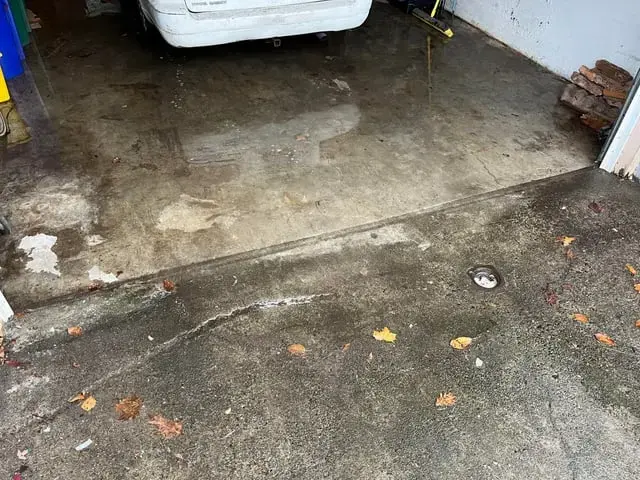
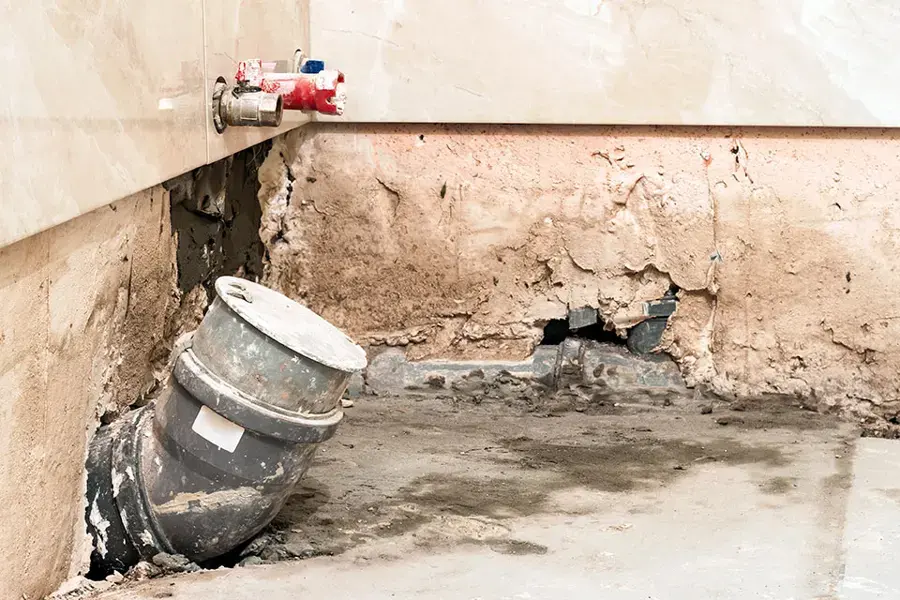
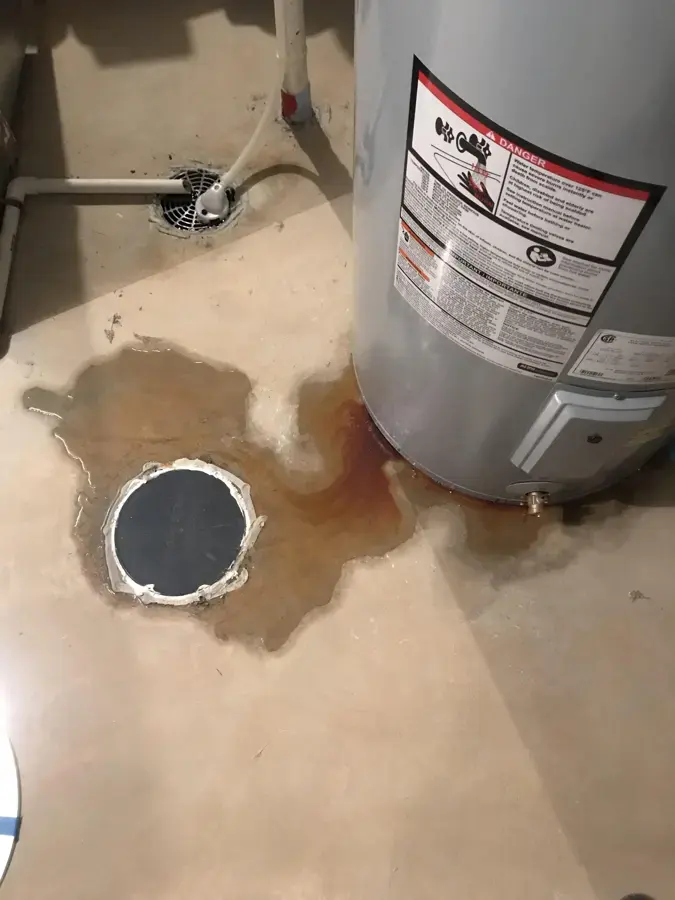
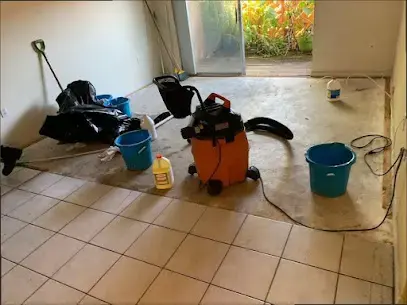
What a water damage dry-out looks like in Pico Rivera
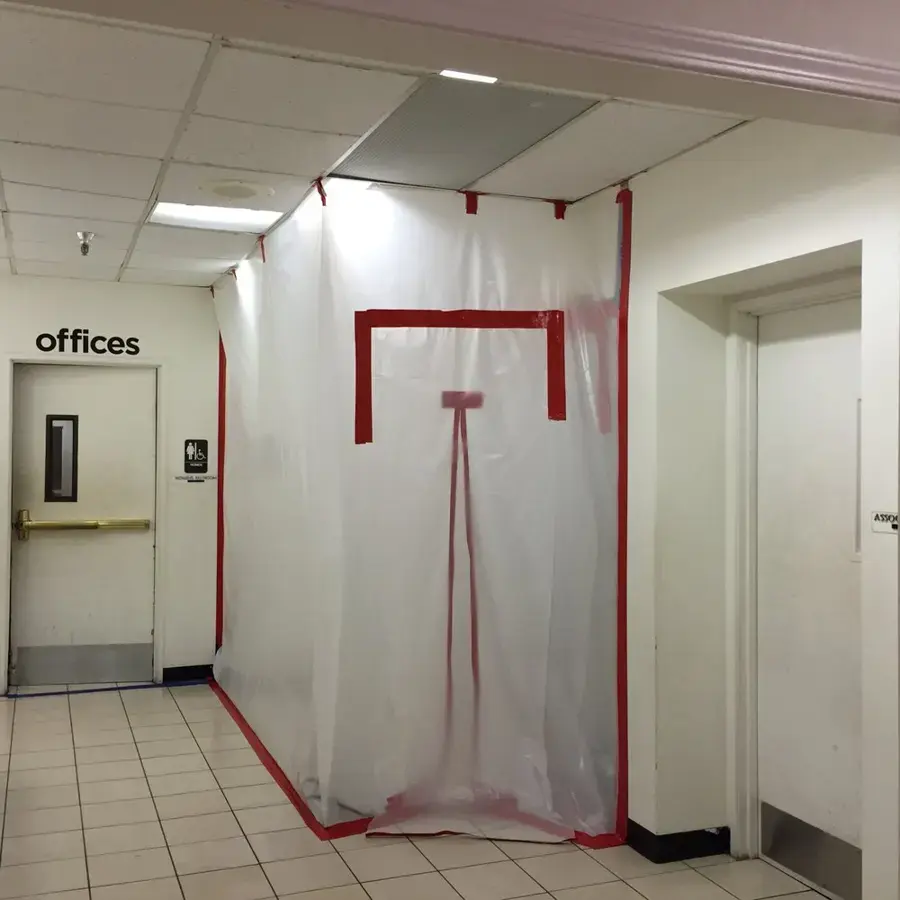
One call reaches Pico Rivera water damage pros, 24/7
The restoration team covers all of Pico Rivera in ZIPs 90660, 90661 and 90662, from the homes near Whittier Narrows in the north to Slauson Avenue and Telegraph Road in the south, and from the Rio Hondo to the San Gabriel River.
ZIPs 90660, 90661, 90662Neighborhoods
Corridors
Nearby
Why Pico Rivera homes take on water
Pico Rivera sits between two flood channels, the Rio Hondo and the San Gabriel River, and most of its homes went up as slab-floor tracts in the years around the city's 1958 incorporation.
Completed by the Army Corps of Engineers just north of the city, the dam holds back San Gabriel River and Rio Hondo flood flows. Heavy local rain is a separate problem: it lands on streets and roofs inside the city and has to drain away.
1950s slab ranch homes
Single-story homes on concrete slabs have no basement to catch water, so a leak spreads straight across the floor and under the walls.
Original galvanized pipe
Galvanized steel supply pipe was standard when these homes were built. It rusts from the inside and fails first at the threaded joints.
Slab leaks
Copper pipes under the slab wear thin where they rub concrete and gravel, and hot-water pipes fail most often, leaving warm spots in the floor.
Winter storm bursts
Most rain falls between December and March, often in atmospheric river storms that overload gutters, flat roofs and street drains in a few hours.
Rio Hondo and San Gabriel River
Both channels run high in big storms, and homes on the low ground near them watch the street drains and garage thresholds closely.
Water damage questions from Pico Rivera homeowners
Water still coming in?
Skip the reading. The Pico Rivera restoration crew rolls day and night, weekends and holidays included.
Describe the leak to 24/7 dispatchHow fast does a restoration crew respond in Pico Rivera?
The response team dispatches 24/7 and treats active water as urgent. Arrival depends on traffic and the jobs already running, so shut off the water and start the first steps while the crew is on the way.
How do I know if I have a slab leak?
Common signs are a warm spot on the floor, the sound of running water with every fixture off, a water bill that jumps, a meter that keeps moving when nothing runs, and damp carpet or lifting flooring with no visible source. The slab leak warning check walks through them.
Does homeowners insurance cover water damage in Pico Rivera?
Policies usually cover sudden and accidental water, like a burst pipe or a water heater rupture. Long, slow leaks and outside floodwater are often treated differently. Coverage depends on your policy, so check with your own insurer.
How long does drying take?
A contained Class 1 or 2 loss usually dries in three to five days with air movers and LGR dehumidifiers running. Hardwood, cabinets and a wet slab take longer. The drying team ends the job on readings, not on a calendar date.
What is the IICRC S500?
It is the industry standard for water damage restoration. It covers how to inspect, classify the water, set equipment and confirm that materials are dry before the job ends.
What is the difference between mitigation and repair?
Mitigation stops the damage: extraction, removal of ruined materials and drying. Repair puts the home back together afterward with new drywall, flooring and paint. Insurers usually look at the two as separate parts of a claim.
When does wet drywall have to come out?
Drywall touched by sewage or storm water comes out. Drywall wet with clean water can often be dried in place when drying starts quickly. The tech decides from moisture readings and how long the wall stayed wet.
Why is sewage handled differently?
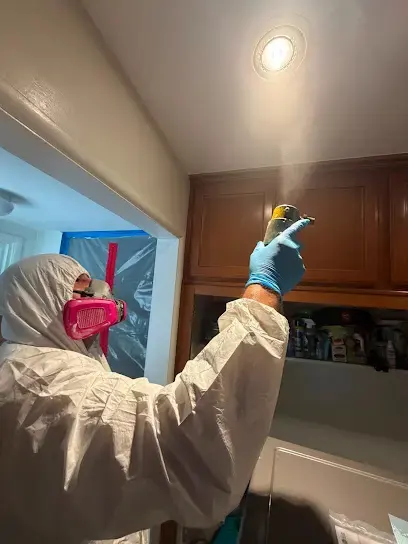
A sewage backup is Category 3 from the moment it happens. The crew works under containment in protective gear, removes porous materials it touched and treats surfaces with an EPA-registered antimicrobial.
My old galvanized pipes leaked once. Will they leak again?
Galvanized pipe corrodes along its whole length, so one leak often means more are coming. The drying team dries the current loss, and a plumber can advise on repiping.
How is the cost of water damage restoration figured?
Cost follows the water category, the square footage that got wet, the material class and how fast drying started. The water damage cost calculator gives a planning range.
Water on the floor right now?
The Pico Rivera restoration crew extracts the water, dries the structure to the IICRC S500 standard and documents every step for the claim.